
ROPA NawaRo-Maus
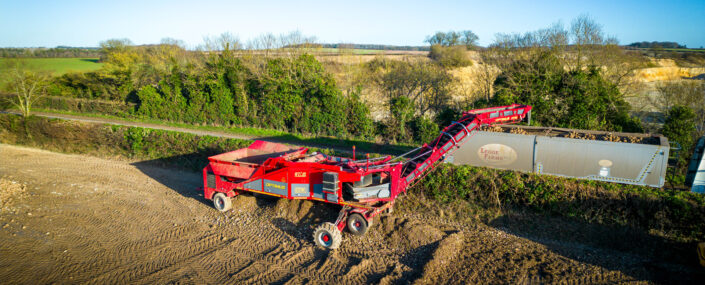
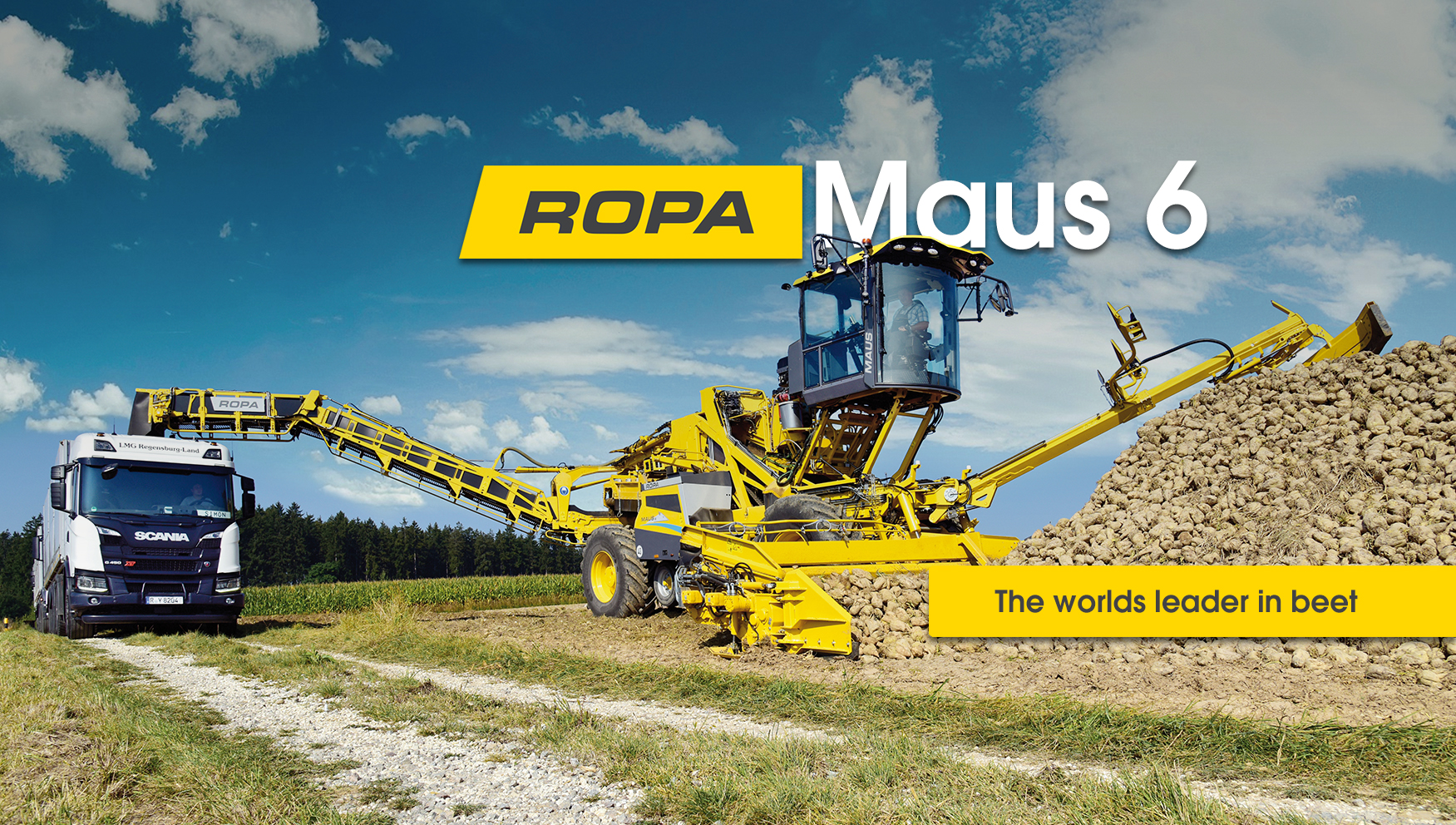
With the ROPA NawaRo-Maus efficiency in the
logistics of biomass plants can be significantly increased. Chopped goods such![GPS_0[1]](http://www.ctmharpley.co.uk/wp-content/uploads/2012/06/GPS_011-300x177.jpg)
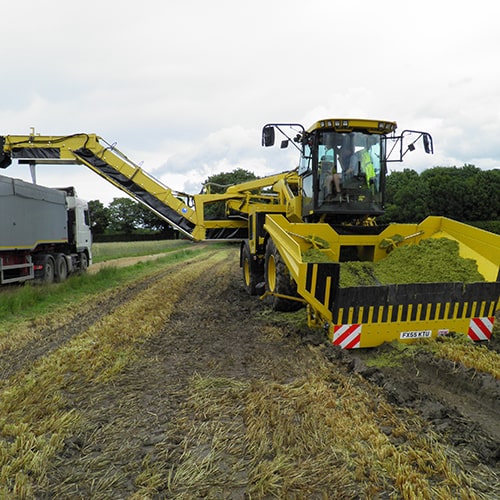
as maize silage, whole-corn silage (or wood chips) are gathered up from the
clamp at the edge of the field and loaded on to large lorries. The load
capacity of the euro-NawaRoMaus is around 10 to 15 m³ per minute; the intake
width is currently 8 m. A significant advantage of the design is that the
chopper chain in the field is separated from the logistics on the road.
In many cases high power is restricted in the harvesting of silo
maize because transport capacities for the removal of harvested goods have too
little power or are non-existent. In particular for large bio-gas plants which
use a high proportion of maize, the carriage of chopped goods over large
distances with agricultural trailers and ground protecting field tyres no
longer proves economical in most cases. In accordance with traffic laws for
commercial bio-gas plants the trailer must also possess a commercial permit. As
a rule the most cost-efficient option for transporting chopped goods by road is
by lorries. However, these should not be loaded in the field and should most
definitely not be driven alongside the chopper in the field.
With the implementation of the NawaRo-Maus
concept ROPA is now completing the missing link between and effective transport
on the field which protects the ground and a cost-efficient and
high-performance removal logistics on the roads, using lorries. The chopped
goods are removed with ground protecting trailers or self-propelled machines
e.g. converted sugar beet harvesters with low compaction tyres suitable for
soil and laid in a clamp at the edge of the field. The clamp on the edge of the
field also serves as a buffer so that in the absence of removal vehicles the
chopper does not have to stop!
Subsequently, with the NawaRo-Maus the silo maize or the
whole-corn silage is gathered up from the ground and loaded on to the lorries
by a loader up to 13 m from the middle of the clamp. In practice the loading
capacity is up to 15 m³ per minute and due to the variable ground adjustment of
the Nawaro pick-up system the losses are negligible.
If the NawaRo-Maus and the chopper are on the field at the same
time, then as a rule the clamp is always laid in the same place. If the
respective load or clamp has been loaded then the NawaRo-Maus drives back and
the transport vehicle in the field can tip in the same place again – hardly any
losses are incurred!
The use of the NawaRo-Maus is especially recommended in wet
harvesting conditions as this prevents the roads becoming muddy.
The separation of chopper and carriage logistics has
considerable advantages, not just in the fields but also in the silo plant. The
chopper running time is usually 14 hours per day with 250 to/h of silo maize.
By using the euro-NawaRoMaus the daily quantity can be supplied to the silo
evenly distributed over 24 hours, with fewer removal vehicles. The result is a
steadier flow and better compression in the silo.